Reformer Pilates has become one of London’s most popular forms of exercise, and it’s easy to see why. It challenges the body without the high impact of running or jumping, helps build strength from head to toe, improves mobility and coordination, and can be adapted to suit a wide range of abilities.
Yet despite its popularity, many people eventually reach a point where they feel stuck. In many cases, the reason is surprisingly simple: they’re not training at the right class level for their current experience and ability.
At Tempo 301, we’ve been teaching Reformer Pilates in London for more than 16 years and have worked with thousands of students across our E1 | Shoreditch, E8 | Hackney and SE17 | Elephant & Castle studios. One thing we’ve seen time and time again is that progress isn’t determined by how hard a class looks, but whether you’re training at the right level.
That’s why class levels matter.
Why Am I Not Progressing in Reformer Pilates?
One of the most common reasons people struggle to progress in Reformer Pilates is that they’re not training at the right level for their current ability. Reformer Pilates is so effective is that it combines strength, stability, coordination, balance and control into a single workout.
The challenge is that these skills take time to develop.
We’ve seen first-hand that the students who achieve the best long-term results aren’t necessarily the strongest or most athletic when they start. They’re often the ones who are given the right level of challenge at the right time and are able to progress consistently.
Unlike walking into a gym and using a treadmill, Reformer Pilates involves learning how to use specialised equipment whilst performing moves that require concentration and precision.
For someone completely new to Pilates, this can feel like learning a new language.
Terms such as neutral spine, pelvic stability, shoulder placement and spring resistance may be unfamiliar. Add in spring changes, moving carriages and a room full of experienced students, and it’s easy to see why some beginners feel intimidated.
At the opposite end of the spectrum, experienced students can become frustrated if classes never progress beyond the basics. After a while, the challenge disappears, progress slows, and motivation can start to dip.
Without a clear structure, both groups can end up feeling unsatisfied.
This is one of the reasons why, at Tempo 301, we’ve always believed that progression should be built into the student journey. As Reformer Pilates has grown in popularity over the last decade, we’ve remained committed to clear class levels that allow students to build confidence, feel challenged and continue to feel better about themselves as they improve.
Why Is Reformer Pilates More Technical Than It Looks?
Reformer Pilates may appear smooth and effortless, but every exercise requires a combination of control, precision, coordination and concentration.
A simple exercise performed on a reformer can challenge multiple muscle groups simultaneously whilst demanding coordination, balance and body awareness.
Every spring setting changes the feel of an exercise. Every adjustment in body position affects the muscles being targeted. Every repetition requires concentration.
This is one of the reasons why Reformer Pilates remains so effective, even for people who have exercised regularly for years. It’s not simply about moving the carriage backwards and forwards. It’s about maintaining alignment and creating tension in the right places throughout every repetition.
Pilates is also built around a number of core principles, including breath, concentration, control, precision, centring and flow. These principles work together to create the method that Joseph Pilates originally developed and are still fundamental to effective practice today.
For beginners, this can feel like a lot to think about at once. You may be learning how to manage spring resistance, coordinate your breathing, maintain alignment, engage the correct muscles and follow the flow of the class, all whilst moving on a piece of equipment you’ve never used before.
Just as you wouldn’t expect a complete beginner to walk into a weightlifting class and immediately lift the same weights as someone with years of experience, Reformer Pilates works best when students are given exercises appropriate to their current ability.
The goal isn’t simply to complete the exercise. The goal is to perform it with precision.
“I love level-based classes because they give students the chance to build confidence at their own pace. Beginners can focus on learning the fundamentals properly and getting comfortable on the reformer before moving on to more advanced exercises. That often means better technique and fewer compensations. At the same time, more experienced students can keep progressing and challenging themselves without feeling held back. In my experience, everyone gets more out of the class.”
What Happens When Classes Are Too Difficult?
Classes that are too advanced can slow progress by taking attention away from technique and movement quality. Many people assume that the most advanced class will deliver the fastest results. In reality, training above your current level can often slow progress rather than accelerate it.
Over the years, we’ve occasionally met students who believe they should skip beginner classes or move up levels as quickly as possible. While the ambition is understandable, Reformer Pilates rewards control and consistency far more than rushing through the stages.
Some common signs that a class may be too advanced include:
- Constantly looking around the room to understand what comes next
- Struggling to keep up with spring changes
- Losing focus on technique
- Feeling confused rather than challenged
- Avoiding certain classes because they feel intimidating
When students spend most of the class trying to work out what they should be doing, they have less capacity to focus on how they are moving. If your attention is focused entirely on keeping up with the class, the core Pilates principles can easily be lost.
As a result, exercises often become rushed, technique may begin to suffer, and students can miss the opportunity to build the strong foundations that support long-term progress.
There is also an important distinction between feeling challenged and feeling overwhelmed. A challenging class should require concentration and effort. You should leave feeling that you’ve worked hard and learned something new. An overwhelming class, on the other hand, can leave you feeling frustrated, confused or feeling like you don’t know what you’re doing.
The best Reformer Pilates classes should push you outside your comfort zone whilst still allowing you to move well and refine your technique with every repetition.
“As a complete beginner, I really appreciated how accessible the class was. Birgit took the time to make sure I was in the correct position and encouraged me to move at a pace that suited my body. It truly felt like a no-judgement zone – welcoming, supportive and inclusive. I absolutely loved it and can’t wait to return.”
What Happens When Classes Are Too Easy?
Classes that are no longer challenging enough can lead to plateaus and reduced progress over time.
Many people begin Reformer Pilates because they want to improve their strength, mobility, posture and overall fitness. In the early stages, almost everything feels new, and progress often comes quickly. However, once the fundamentals have been mastered, continuing to perform the same exercises at the same level week after week can eventually lead to a plateau.
Some signs that your current class may no longer be providing enough challenge include:
- Feeling comfortable throughout most of the class
- Rarely being introduced to new exercises or variations
- Limited progression in strength, stability or control
- Feeling capable of doing more
- No longer feeling mentally challenged by the class
This is something we see when students have been consistently attending the same level for an extended period. They may feel comfortable, confident and capable, but they are no longer being exposed to the new challenges that help drive continued improvement.
Progressive challenge is essential for long-term development. As your body adapts, your training should evolve alongside it.
Importantly, progression doesn’t always mean making exercises harder or adding more resistance. In Reformer Pilates, progression can take many forms. It may involve increasing complexity, improving precision, reducing stability, introducing more coordination, extending time under tension, or refining technique to a higher standard.
In many cases, the challenge becomes less about doing more and more about doing things better.
The most effective Reformer Pilates programmes recognise that progress should never stand still. Whether you’re attending your tenth class or your thousandth, there should always be something new to learn, refine and improve. This is one of the reasons why structured class levels can be so valuable.
How Do Reformer Pilates Levels Work?
A structured level system provides a roadmap for progress. Rather than placing every student into the same environment, levels allow instructors to tailor programming more appropriately to the experience and ability of the group.
At Tempo 301, we’ve used a level-based approach for many years because we’ve seen the difference it can make to both confidence and long-term results. Rather than expecting every student to progress at the same pace, a structured pathway allows people to build skills gradually before moving on to more challenging exercises.
Beginner Reformer Pilates
The first stage is learning the fundamentals.
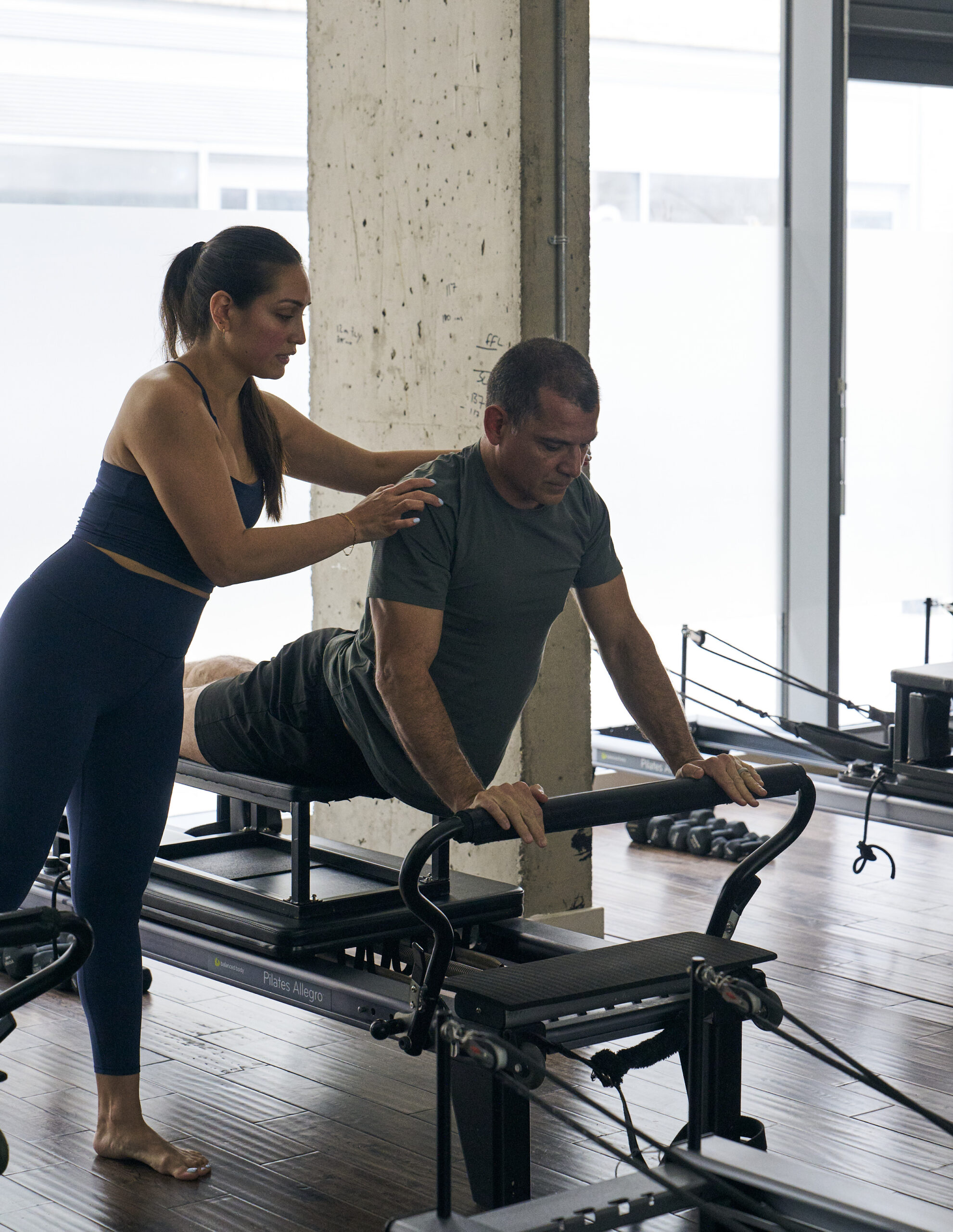
Beginner classes are designed to introduce students to the reformer, the Pilates principles and the foundations of safe, effective movement.
Students typically learn:
- How the reformer works
- Basic Pilates principles
- Proper alignment
- Breathing techniques
- Safe spring changes
- Foundational exercises
This stage is about building confidence and developing good habits from the beginning.
At Tempo 301, students can start with a Beginner Pilates Workshop at our SE17 studio or progress into our L1 classes, which are suitable for beginner and intermediate students.
L1: Building Strong Foundations
Once students become familiar with the equipment and key Pilates principles, the focus shifts towards building consistency, confidence and control.
Exercises become more fluid, transitions become smoother and students begin to develop a deeper understanding of how their bodies move.
At this stage, students are still refining the fundamentals whilst gradually increasing the challenge through more complex sequences and greater coordination demands.
For many people, this is where they begin to notice significant improvements in strength, posture and body awareness.
L2: Developing Strength and Control
As students progress, classes can become more demanding without sacrificing quality of movement.
Intermediate-level classes often introduce:
- Greater coordination challenges
- Increased strength demands
- More complex transitions
- Enhanced balance work
- Longer periods under tension
- More advanced exercise variations
Students continue refining technique whilst building strength, endurance and familiarity on the reformer.
L3: Advanced Reformer Pilates
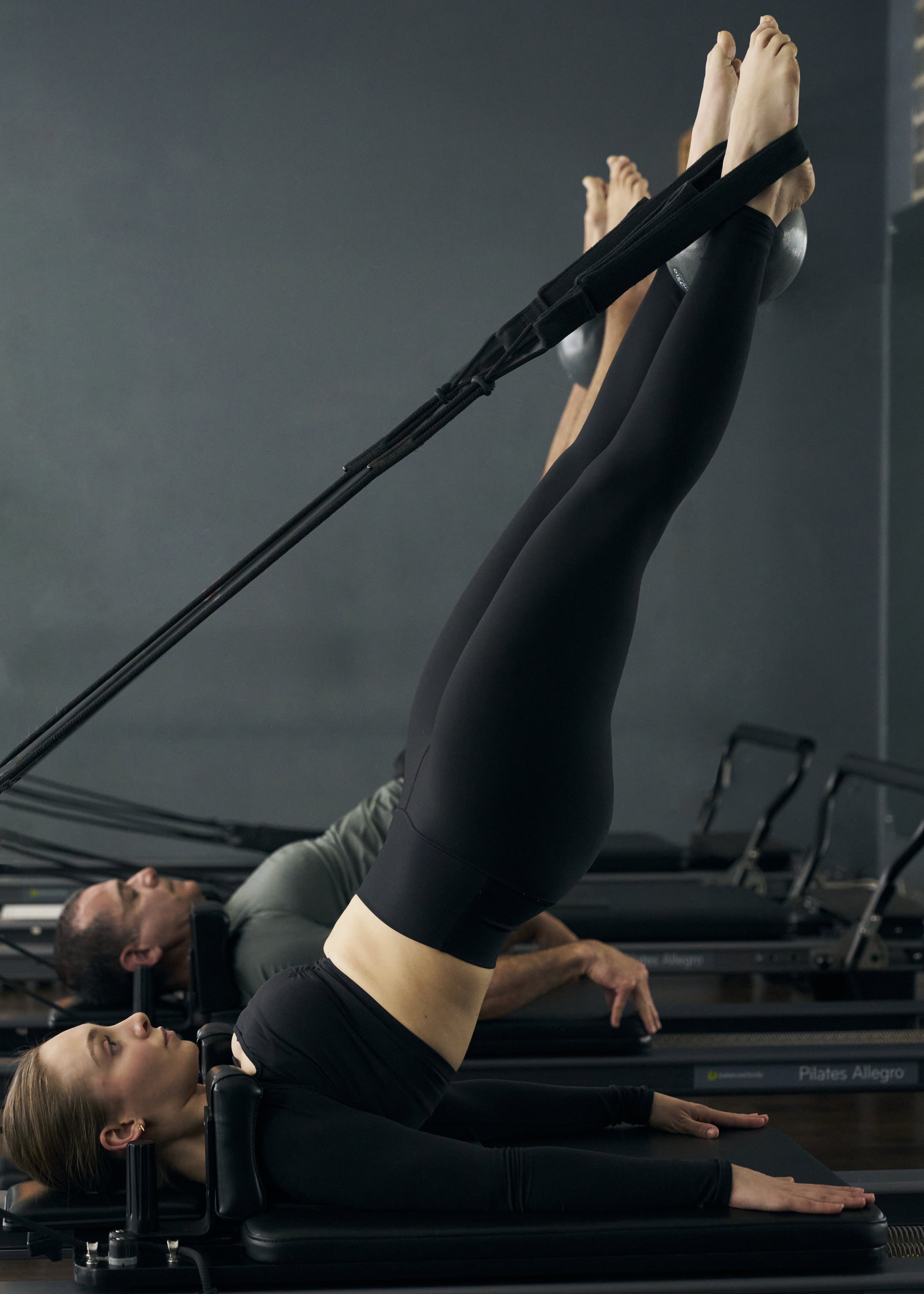
Advanced classes are not simply harder versions of beginner classes.
They require a higher level of control, concentration and body awareness.
Students are expected to move confidently between exercises, manage more challenging spring settings and maintain strong technique throughout increasingly demanding sequences.
At Tempo 301, our L3 Up-Tempo classes are designed for experienced students who are comfortable with the reformer and ready for a faster-paced, highly challenging workout. The focus remains on quality of movement rather than simply making exercises difficult for the sake of it. Progression also isn’t limited to traditional Reformer Pilates classes. Students can also explore specialised formats such as Jumpboard reformer Pilates classes, which are available at multiple levels and provide a fun, low-impact way to develop cardiovascular fitness alongside strength and control.
Progressing at Your Own Pace
One common misconception is that moving up a level should happen as quickly as possible.
In reality, progression looks different for everyone.
Some students spend longer building assurance at one level, whilst others progress more quickly. Factors such as previous exercise experience, injuries, fitness background and training frequency can all influence the journey.
What’s most important is not how quickly you move through the levels, but whether you’re continuing to move more efficiently and challenge yourself safely along the way.
We’ve found that the students who achieve the best long-term results are rarely the ones rushing ahead. They’re the ones who take the time to master each stage before progressing to the next.
How Do Reformer Pilates Levels Build Confidence?
A clear progression pathway helps students feel more comfortable, capable and motivated as they develop their skills. Many people begin Reformer Pilates feeling uncertain. They worry about keeping up, making mistakes, and that everyone else in the room knows what they’re doing!
These feelings are completely normal. Even experienced exercisers often feel apprehensive when trying the reformer for the first time.
A clear progression system helps remove much of this anxiety. Students know where they belong, and they understand what is expected of them. They know what they are working towards and, most importantly, they experience regular milestones along the way.
That milestone might be confidently managing spring changes without hesitation. It might be mastering an exercise that once felt impossible. It might be progressing from a beginner class into an intermediate class for the first time.
At Tempo 301, we’ve seen countless students arrive convinced they “aren’t a Pilates person” or that they lack the strength, flexibility or coordination to succeed. Months later, those same students are often moving through exercises they never imagined themselves doing when they first stepped into the studio.
The confidence gained through Reformer Pilates rarely stays within the studio walls, either. Many students find that improved strength, posture, body awareness and self-belief begin to influence other areas of their lives as well.
Is Consistency More Important Than Intensity in Reformer Pilates?
For most people, consistent training delivers better, sustainable results than constantly chasing the hardest class available.
In today’s fitness industry, we’re constantly told to push harder, go faster and do more. While challenge certainly has its place, intensity alone is rarely the biggest predictor of long-term success.
At Tempo 301, we help students build strength and lasting fitness through Reformer Pilates. One of the clearest patterns we’ve observed is that the people who achieve the best results are not necessarily the ones who progress the fastest. They’re the ones who keep showing up.
The students who attend regularly, develop strong foundations and gradually build upon them over time, are often the ones who experience the most meaningful changes in their strength, posture, mobility and overall fitness. This is because the body responds to consistent training.
A single challenging class can feel rewarding, but lasting results are built through weeks, months and years of practice. Each class reinforces movement patterns, develops precision and builds upon the progress made in previous sessions.
A structured progression system supports this process by ensuring that students are continually challenged without being overwhelmed. This doesn’t mean training becomes easier. In many cases, the challenge simply evolves.
As students advance, the focus often shifts from learning exercises to refining them. Movements become more precise. Control improves. The technique becomes more sophisticated. What once felt difficult begins to feel natural, creating space for new challenges to emerge.
Over time, these small improvements compound into significant results. That’s why, in Reformer Pilates, consistency almost always beats intensity. If keeping that consistency going isn’t always easy, particularly when routines change, our guide to how to stay consistent with exercise shares practical ways to build a fitness routine that works around real life.
What Should You Look for When Choosing a Reformer Pilates Studio?
Not all Reformer Pilates studios approach teaching, progression and instructor training in the same way. If you’re considering starting Reformer Pilates or looking for a new studio, it can be helpful to ask a few questions before booking your first class.
With more Reformer Pilates studios opening across London than ever before, it can be tempting to focus on factors such as location, price or studio design. While these things are important, they rarely determine whether you’ll enjoy your experience or continue attending long-term.
Instead, it’s worth looking a little deeper.
Does the Studio Offer Beginner Classes?
A dedicated beginner option demonstrates that the studio understands the importance of building strong foundations.
Learning how the reformer works, understanding Pilates principles and developing ease on the equipment takes time. Studios that provide dedicated support for beginners often create a more positive experience from the outset.
Is There a Clear Progression Pathway?
One of the most important questions you can ask is what happens after your first few classes.
Can you see how students progress from beginner to intermediate and advanced levels?
A clear progression pathway often indicates that the studio has invested time into creating a lasting training experience rather than simply offering the same class to everyone.
How Large Are the Classes?
Class size can have a significant impact on the quality of instruction.
Smaller classes generally allow instructors to provide more individual guidance, monitor technique more closely and offer personalised corrections when needed.
While larger classes may suit some people, many students find they benefit from a more focused environment where instructors have the opportunity to provide individual guidance and corrections throughout the class. At Tempo 301, our Reformer Pilates classes are intentionally kept small, with a maximum of 11 or 12 students depending on the studio, allowing instructors to monitor technique closely and support students as they progress through the levels.
Do Instructors Prioritise Technique?
Good Reformer Pilates instruction isn’t about getting through as many exercises as possible.
The best instructors focus on alignment, breathing and precision whilst helping students understand why they’re performing a movement, not just how.
Over time, this attention to detail can make a significant difference to both results and self-belief.
Are There Different Class Styles Available?
As you become more experienced, it’s helpful to have access to a variety of classes that support different goals.
Some people may enjoy strength-focused classes, whilst others prefer slower, technique-led sessions or classes that emphasise mobility and develop stronger movement patterns.
A broader timetable can help keep training interesting whilst supporting progression over the long term.
Does the Studio Have Experienced Instructors?
Experience matters, but so does training.
Not all Reformer Pilates instructors have followed the same educational pathway, and the depth of their training can have a significant impact on the quality of instruction they provide.
At Tempo 301, a recognised Mat Pilates certification is a prerequisite for all Reformer Pilates instructors. We believe the strongest instructors are those who understand the Pilates method as a whole, not just the reformer itself.
Before teaching independently, all instructors also complete four weeks of training in the Tempo Pilates method. This ensures a consistent approach to programming, cueing, exercise progressions and class delivery across all three of our studios.
When researching a studio, it can be worth looking beyond social media and reading reviews to understand the quality of instruction, level of support and overall experience students receive.
Do Students Stay?
This is perhaps the most overlooked indicator of all.
Most studios can create a good first impression. The real question is whether students continue attending months and years later.
When students keep going back, class after class, this often suggests that students feel supported, continue seeing results and have opportunities to progress as their abilities develop.
Ultimately, the best Reformer Pilates studio isn’t necessarily the newest, trendiest or most expensive. It’s the one that provides the right balance of challenge, support and progression to help you continue improving over time. While social media can tell you what a studio looks like, ongoing student retention often tells you what it feels like to train there.
What We’ve Learned After 16 Years of Teaching Reformer Pilates
During this time, one thing has remained consistent: students are most successful when they feel challenged, supported and able to progress at a pace that suits them. That’s why we’ve always prioritised small class sizes, clear levels and expert instruction across our studios. Trends come and go, but the fundamentals of effective Pilates teaching remain the same.
Tempo 301 offers Reformer Pilates classes at three London locations:
- Reformer Pilates in Shoreditch
- Reformer Pilates in Hackney
- Reformer Pilates in Elephant & Castle
Each studio follows the same progression-based approach, with clear class levels designed to help students build strength, improve technique and continue progressing over time.
Why Tempo 301 Uses Class Levels
At Tempo 301, we’ve used structured class levels for many years because we’ve seen the difference they make to sustainable progress. Rather than placing every student into the same class, our level system allows people to build confidence, develop technique and continue challenging themselves appropriately as they improve. After more than 16 years of teaching Reformer Pilates in London, we’ve found that clear progression pathways are one of the most effective ways to help students achieve lasting results. The benefits of Reformer Pilates also go beyond progressing to harder exercises. Strength, mobility, balance and control can all contribute to how well we move in the long term.
The Bottom Line
- If you’re not progressing in Reformer Pilates, your class level may be part of the reason.
- Classes that are too difficult can affect technique, confidence and enjoyment.
- Classes that are too easy can lead to plateaus and slower progress.
- A structured progression system helps students build strong foundations and continue developing over time.
- The best results come from consistent training, not rushing into the most advanced class available.
- Long-term progress is built through thoughtful progression, expert instruction and regular practice.
The goal isn’t to attend the hardest class available. The goal is to find a class that meets you where you are today, supports your development and gives you a clear path forward.
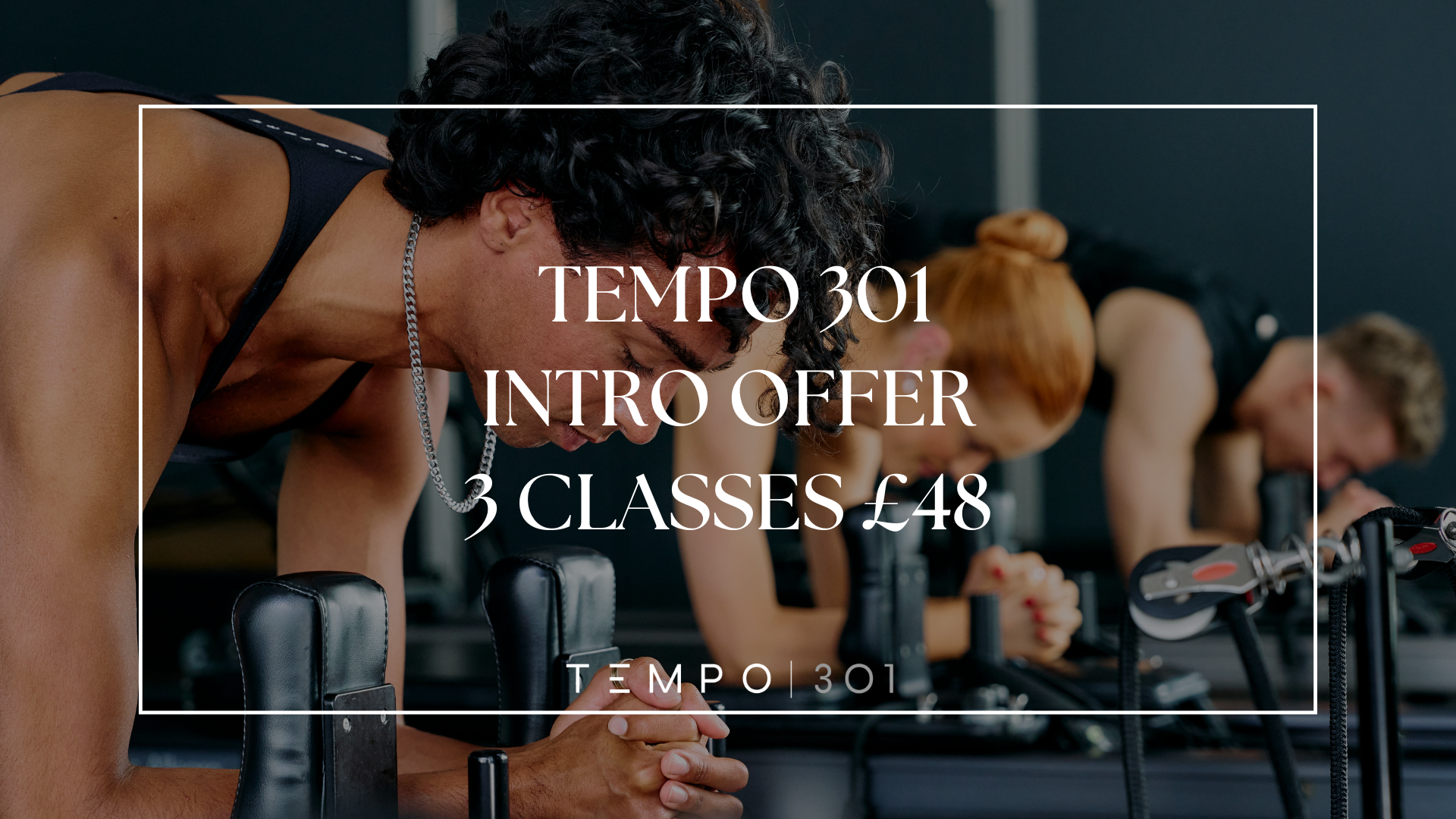
Ready to experience structured Reformer Pilates training for yourself? Visit our Shoreditch, Hackney or Elephant & Castle studios and take advantage of our 3 classes for £48 intro offer.