
Marathon running is as much about endurance and resilience as speed and distance. However, did you know that studies estimate that a significant percentage of runners, ranging from 50% to 80%, experience overuse injuries during their training? In their quest for peak performance, runners are constantly seeking ways to enhance their training, reduce the risk of injury, and speed up recovery. With the Spring Marathon season fast approaching, it’s the perfect time to explore how Reformer Pilates, a low-impact, challenging and controlled exercise method, can transform your preparation for long-distance running.
Take your training to the next level by integrating Reformer Pilates into your marathon plan. You’ll build strength, prevent injuries, and boost your performance. Here are seven key ways Reformer Pilates can benefit marathon runners:
1. A Low-Impact Companion for High-Impact Athletes
Reformer Pilates provides a workout that strengthens the body while minimising stress on the joints. For marathon runners enduring repetitive high-impact forces during training, this balance is invaluable. Pilates improves muscular endurance, strengthens connective tissues, and enhances joint stability, all without adding strain. It’s the ideal complement to your running routine, offering both challenge and recovery in equal measure.
2. Core Stability: The Marathon Runner’s Secret Weapon
A strong core is critical for maintaining proper running form, especially as fatigue sets in during those final miles. Reformer Pilates places a strong emphasis on core strength, improving stability, posture, and energy efficiency. By building a resilient core, you’ll conserve energy and reduce the risk of injury – the key to a successful marathon finish. Find out why runners should do Pilates, according to Runner’s World.
3. Balanced Muscle Development
Running often creates muscle imbalances, overusing some muscles while neglecting others. Reformer Pilates addresses these discrepancies by targeting the entire body, strengthening underused muscles and releasing tension in overworked areas. This balanced approach reduces the likelihood of injuries like IT band syndrome or shin splints, paving the way for more symmetrical, efficient running mechanics.
4. Improved Flexibility and Range of Motion
Flexibility is vital for achieving long, powerful strides. Reformer Pilates increases flexibility and range of motion in areas like the hips, hamstrings, and calves. This not only enhances your running technique but also reduces the risk of injury by helping your body absorb impact more effectively. Key exercises such as Leg Circles and the Standing Split on the Reformer are perfect for unlocking flexibility and stride efficiency. Ready to build a stronger core for better marathon performance? Book a Reformer Pilates class and experience exercises designed to enhance your flexibility today!
5. Breathing Techniques for Endurance Boost
Efficient breathing is essential for marathon success, yet it’s often overlooked. Reformer Pilates incorporates controlled breathing techniques, teaching you to optimise oxygen usage and maintain focus. Enhanced rib cage mobility and lung capacity allow you to sustain stamina during long runs, making Pilates a game-changer for endurance.
6. Accelerated Recovery: Bounce Back Faster
Reformer Pilates isn’t just about preparation; it’s also a powerful recovery tool. Its low-impact nature reduces muscle soreness, improves circulation, and accelerates healing. Recovery-focused exercises like footwork and gentle stretches help you bounce back stronger and resume training sooner, keeping you on track towards your goals.
7. Easy Integration into Your Marathon Training
Incorporating Reformer Pilates into your training is straightforward and highly effective. Aim for one to two sessions per week as part of your cross-training plan. Exercises like the Single Leg Stretch and “The Runner” complement your running mechanics beautifully, while recovery sessions provide much-needed rest for fatigued muscles. Consistency is key to unlocking its full potential.

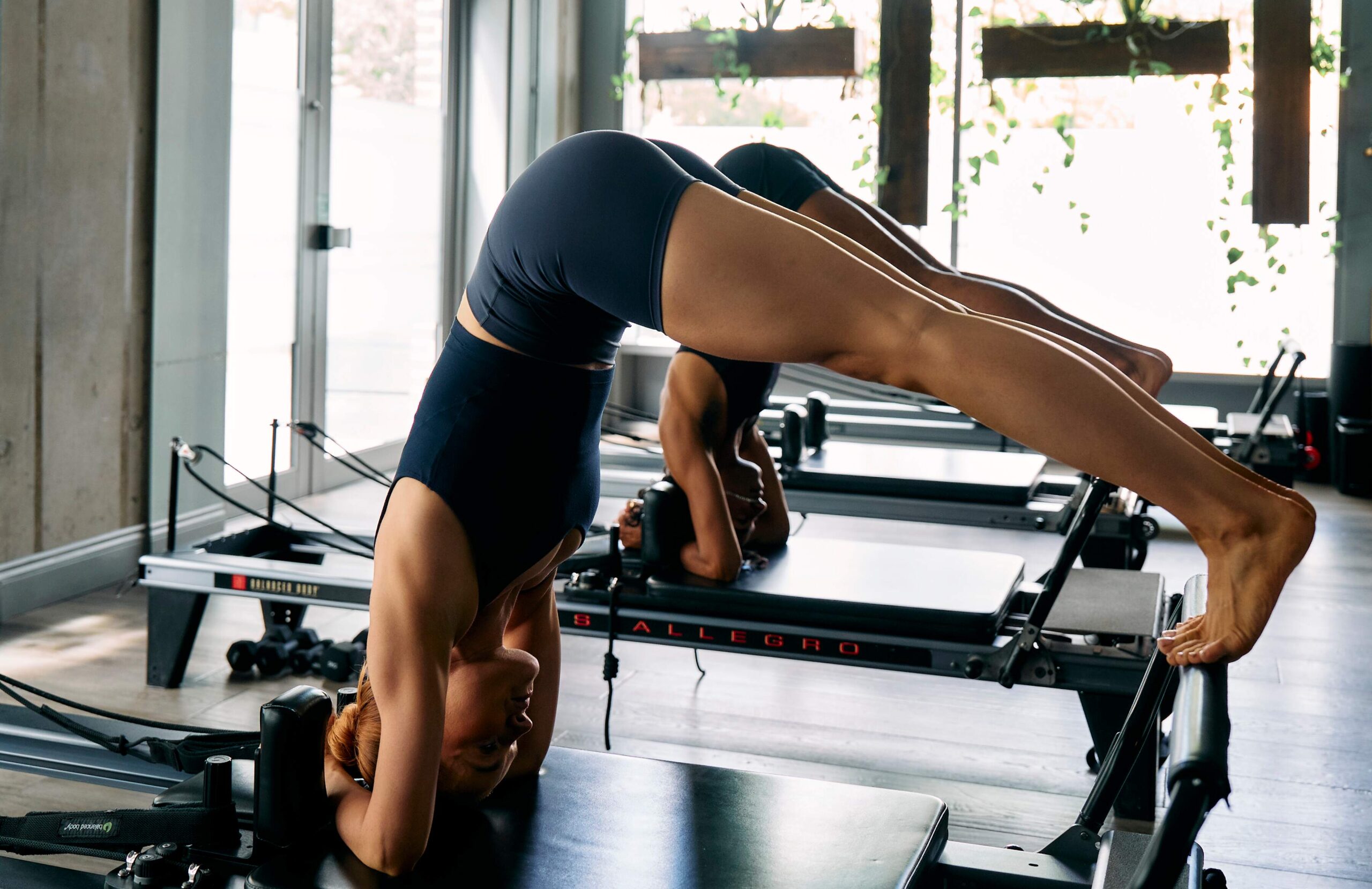
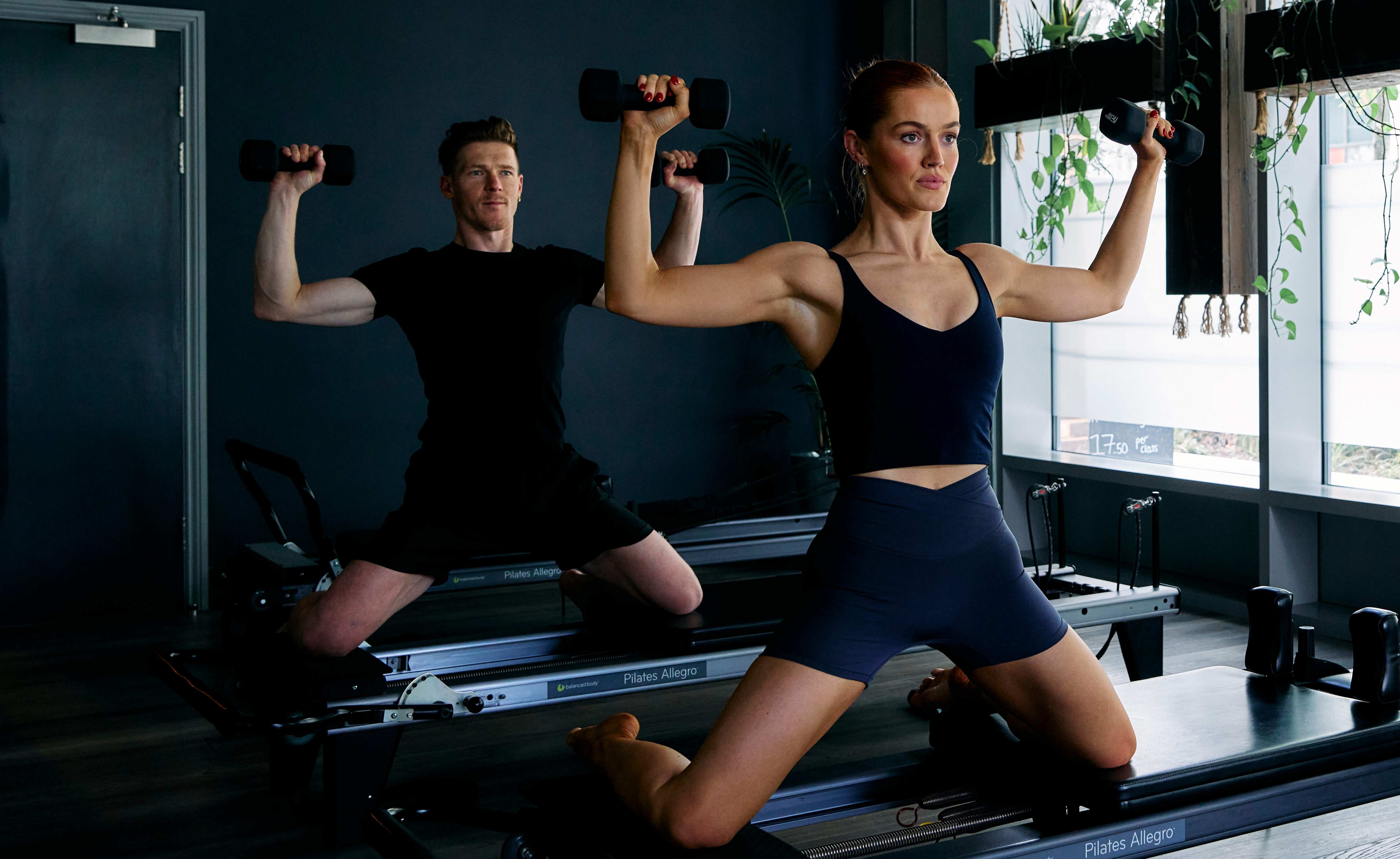
Kickstart Your Marathon Training
Designed to complement your running routine, Tempo 301’s expert-led Reformer Pilates classes help build strength, improve control, and reduce injury risk, all while keeping your training balanced and sustainable. Our Tempo Pilates method focuses on low-impact, strength-building movement set to music, making it a trusted choice for Pilates for runners in London who want to train consistently and perform at their best.
Whether you’re preparing for your first race or refining your performance, Reformer Pilates supports the stability, mobility, and resilience needed to run stronger and recover more effectively.
If you’re new to Tempo 301, you can get started with our Intro Offer: 3 classes for £48, available across our Shoreditch, Hackney, and Elephant & Castle studios.
Book your class today and discover how Pilates for runners can support your strongest marathon yet.
Reformer Pilates x Marathon Training FAQs:
Is Reformer Pilates good for runners?
Yes. Reformer Pilates is highly effective for runners because it strengthens the muscles that support running, including the core, glutes, and hips. This improves stability, posture, and running efficiency while reducing injury risk. Many runners incorporate Pilates weekly to support consistent training and long-term performance.
How often should runners do Pilates?
Most runners benefit from one to two Reformer Pilates classes per week. This provides enough stimulus to build strength and improve stability without interfering with running mileage. Consistency over time leads to improved control, better recovery, and reduced injury risk.
Does Pilates improve running performance?
Yes. Pilates improves core strength, posture, and muscle balance, all of which contribute to more efficient running mechanics. This helps runners conserve energy, maintain better form during longer distances, and perform more consistently.
Can Pilates help prevent running injuries?
Pilates strengthens stabilising muscles that support the joints, particularly around the hips, knees, and ankles. This improves alignment and reduces strain caused by repetitive impact. Many runners use Pilates as part of their injury prevention strategy.
Is Reformer Pilates suitable during marathon training?
Yes. Reformer Pilates is low-impact and complements marathon training by building strength without placing additional stress on the joints. It can be safely integrated alongside running to support both performance and recovery.
Is Pilates good for beginner runners?
Absolutely. Pilates helps beginner runners build foundational strength, improve posture, and develop better movement control. This makes running feel more comfortable and reduces the likelihood of injury as mileage increases.
Where can I do Pilates for runners in London?
Tempo 301 offers expert-led Reformer Pilates classes in Shoreditch, Hackney, and Elephant & Castle. Our small class sizes and experienced instructors help runners build strength, improve control, and support their marathon training.
If you’re new to Tempo 301, you can start with our Intro Offer: 3 classes for £48.