If you regularly attend Reformer Pilates classes, you’re already building strength, improving stability and keeping your body moving. But is Pilates enough on its own, especially for building strength, supporting bone health and improving overall fitness?
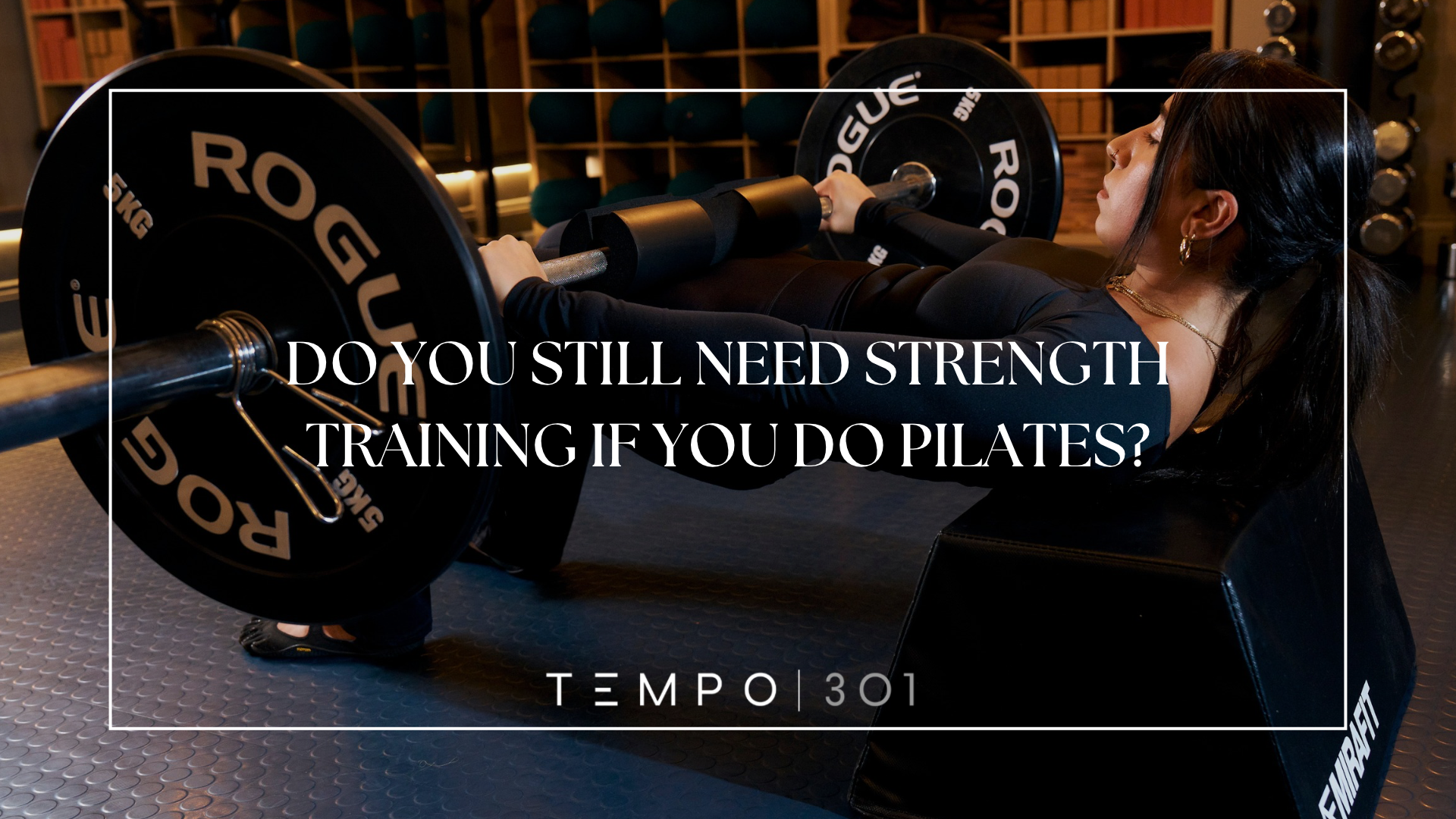
Reformer Pilates is a form of resistance training, but adding traditional strength training can offer additional benefits. While Pilates builds strength through controlled movements and spring resistance, lifting weights lets you challenge your muscles and bones in different ways.
Both can play an important role in your long-term health, and there’s good reason to include them in your weekly routine.
Is Reformer Pilates Considered Strength Training?
Yes, Reformer Pilates is a type of resistance training because it uses springs, body weight and controlled movements to challenge your muscles.
Unlike Mat Pilates, which primarily uses body weight, the Reformer allows resistance to be adjusted through different spring settings. Exercises can also become more challenging through changes in positioning, range of movement and stability.
At Tempo 301, our music-led Pilates method uses controlled movements to develop strength, coordination, balance and muscular endurance. If you’ve ever held a challenging position for several counts in one of our classes, you’ll know just how hard your muscles can work.
What’s the Difference Between Pilates and Weight Training?
Both strengthen muscles, but traditional weight training generally makes it easier to progressively increase the amount of resistance you’re working against.
| Reformer Pilates | Traditional Strength Training |
| Uses springs and body weight for resistance | Uses weights, machines and body weight |
| Emphasises control, stability and precision | Emphasises strength and progressive loading |
| Develops muscular endurance and strength | Can develop maximal strength and muscle mass |
| Challenges balance and coordination | Can also challenge balance and coordination |
| Resistance changes through springs and exercise variations | Resistance can increase through heavier weights |
Neither approach is inherently better. The benefits depend on your goals, the exercises you perform and how you progress over time.
Why Is Strength Training Important for Your Health?
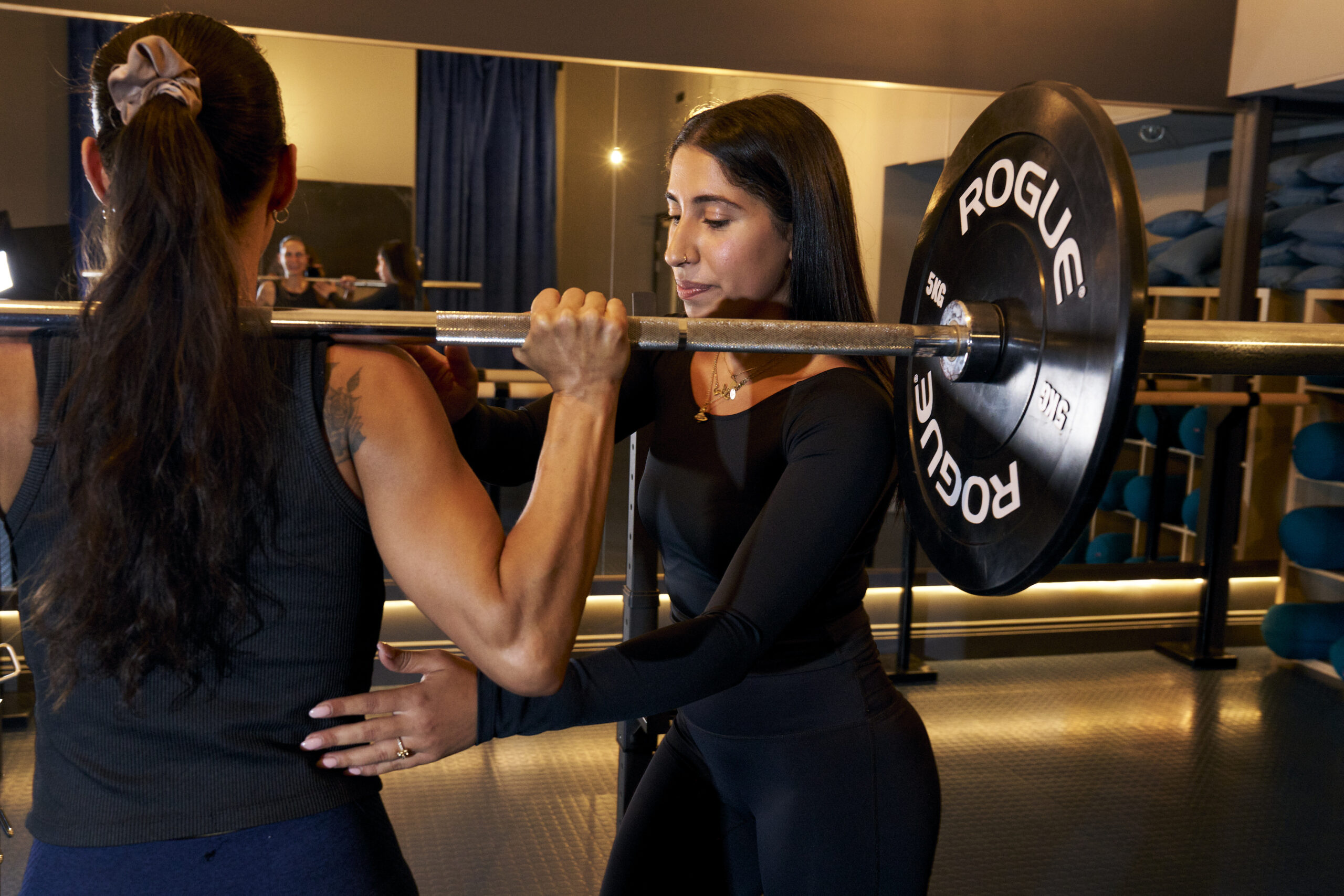
Strength training does more than build muscle. It supports bone health, improves physical function and helps your body manage the demands of everyday life.
Reformer Pilates already provides many of these benefits, but adding traditional strength training can challenge your body in different ways.
How Does Strength Training Help Build Muscle?
Building muscle isn’t just about lifting heavier weights or changing how your body looks. Strong muscles support your joints, improve physical performance and make everyday movements easier.
Reformer Pilates develops strength through spring resistance and controlled movements, while traditional strength training allows you to progressively increase the weight you’re lifting.
Both can contribute to building muscle, but combining them gives you different ways to develop strength.
Why Is Strength Training Good for Bone Health?
Your bones respond to the demands placed on them, which is why resistance and weight-bearing exercise are important for maintaining bone strength.
While Reformer Pilates challenges your muscles, many exercises are performed lying or sitting down. Traditional strength training, particularly exercises performed standing with weights, can provide additional loading that helps support bone health.
Building and maintaining strong bones is important throughout adulthood, not just later in life.
Can Strength Training Improve Your Everyday Movement?
Strength training helps develop the muscle strength needed for activities such as lifting, carrying, climbing stairs and moving confidently.
Pilates complements this by developing coordination, stability and control.
For example, the core stability you practise on the Reformer can complement exercises such as squats and lunges, while stronger legs and upper-body muscles can help you manage more demanding Pilates movements.
What Are the Wider Health Benefits of Strength Training?
Regular resistance training is associated with improvements in metabolic health, physical function and overall wellbeing.
It can also support healthy blood sugar regulation and contribute to reducing the risk of certain long-term health conditions.
The NHS recommends muscle-strengthening activities on at least two days each week, alongside regular aerobic exercise.
Pilates can contribute towards these recommendations, and adding dedicated Strength classes offers another way to challenge your muscles and introduce variety into your routine.
How Do Pilates and Strength Training Complement Each Other?
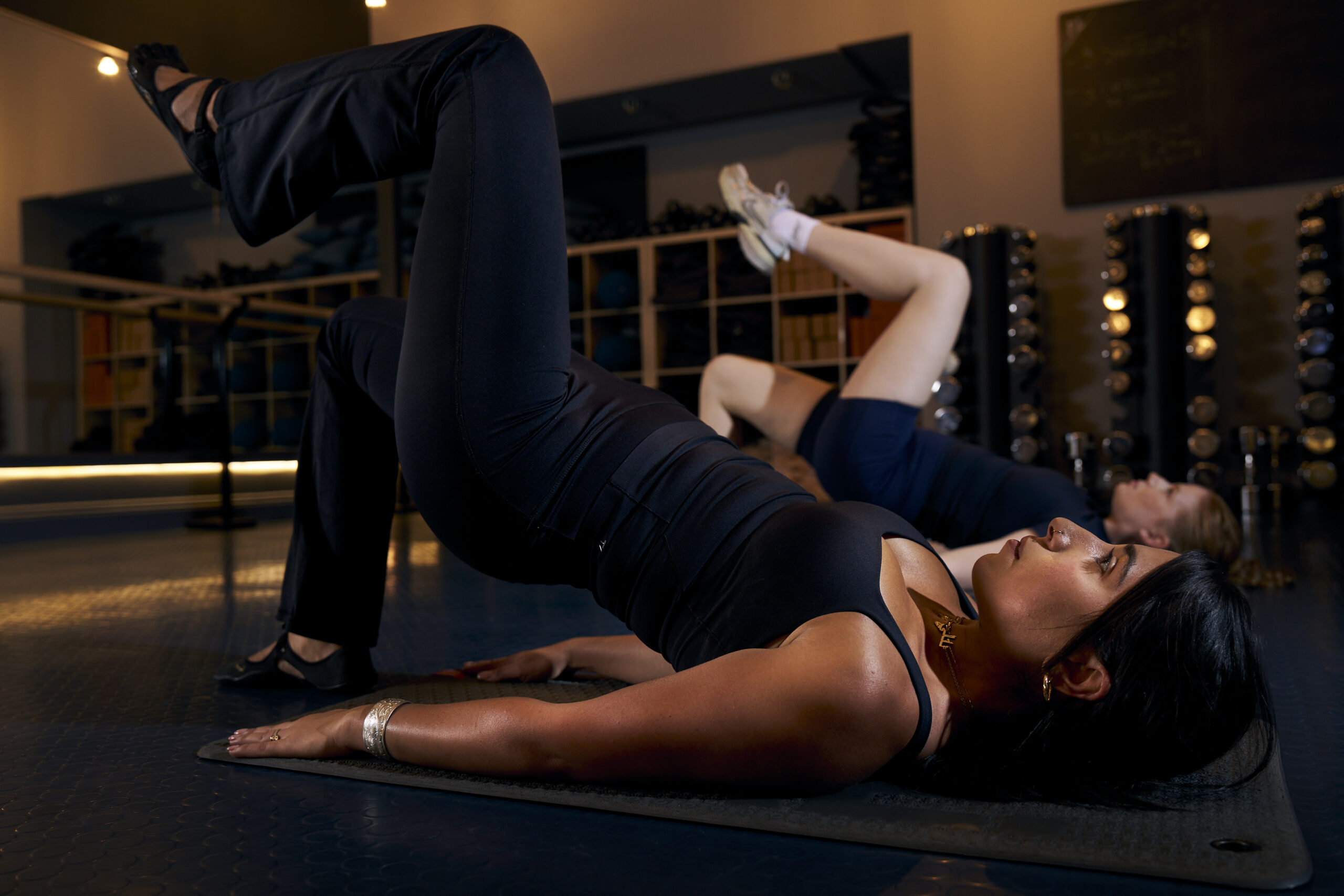
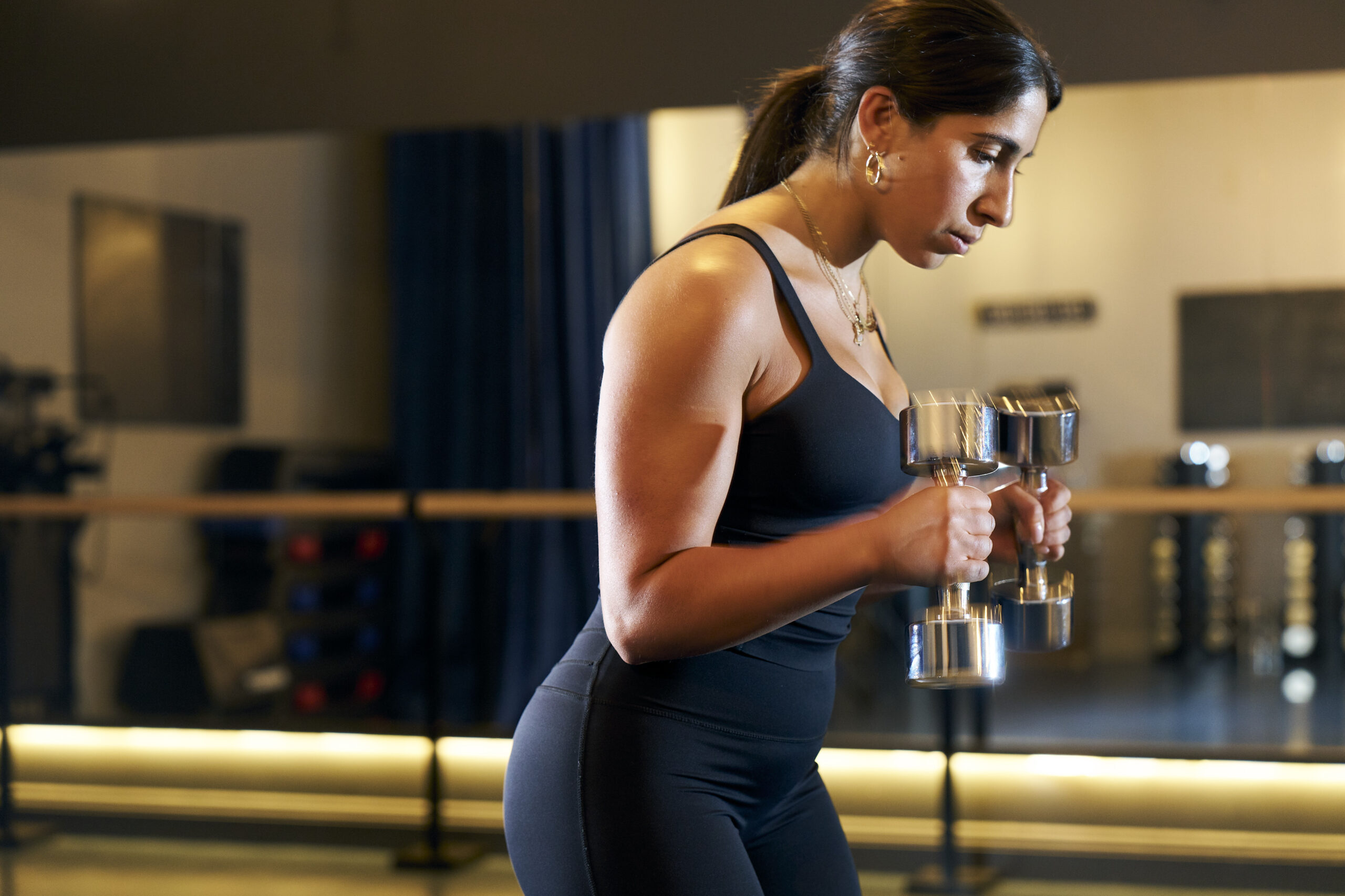
Pilates and strength training work well together because they challenge your body in different ways. Combining them can help develop strength, control and confidence across a wider range of movements.
There are three particularly useful ways they complement each other:
- In the gym: Pilates develops body awareness, core stability and movement control, which can complement your technique during exercises such as squats, lunges and overhead presses.
- On the Reformer: Building strength through weight training may help you manage more demanding exercises that require sustained muscular effort.
- Across your week: Combining the two provides different physical challenges and can make your routine more varied and enjoyable.
You don’t need to replace the classes you already enjoy. Introducing one dedicated Strength class could be a useful way to challenge your body differently.
How Often Should You Do Pilates and Strength Training?
Two Reformer Pilates classes and one Strength class per week can be a practical starting point, depending on your experience, goals and recovery needs.
If you’re already attending Pilates regularly, introducing one Strength class may be more manageable than immediately increasing your overall training volume.
Below are a few examples of how you could structure your week. The right amount of exercise depends on the intensity of your classes, your current fitness and how well you recover.
If you’re new to strength training, start gradually and give your body time to adapt. For more advice on building a consistent routine, read our blog: How many times a week should I do Reformer Pilates?
| Your Goal | Example Weekly Routine |
| Pilates is your main focus | 2 Reformer + 1 Strength |
| Build greater overall strength | 2 Reformer + 2 Strength |
| New to lifting weights | 1–2 Reformer + 1 Beginners Strength |
| Prioritise weight training | 2 Strength + 1 Reformer |
Where Can You Combine Pilates and Strength Training in London?
At Tempo 301, we offer Reformer Pilates across our Shoreditch, Hackney and Elephant Park studios, with dedicated Strength classes at Elephant Park (SE17).
Our small-group Strength classes offer an opportunity to work with weights, develop your technique and challenge your muscles in a different way.
Choose from five class formats:
- Beginners Strength: An introduction to strength training, focusing on fundamental movements and technique.
- Full Body: A balanced workout targeting major muscle groups throughout the body.
- Glutes & Legs: Dedicated lower-body strength training.
- Core & Upper: Focusing on the core and upper body.
- Conditioning: Combining strength-focused exercises with cardiovascular challenges.
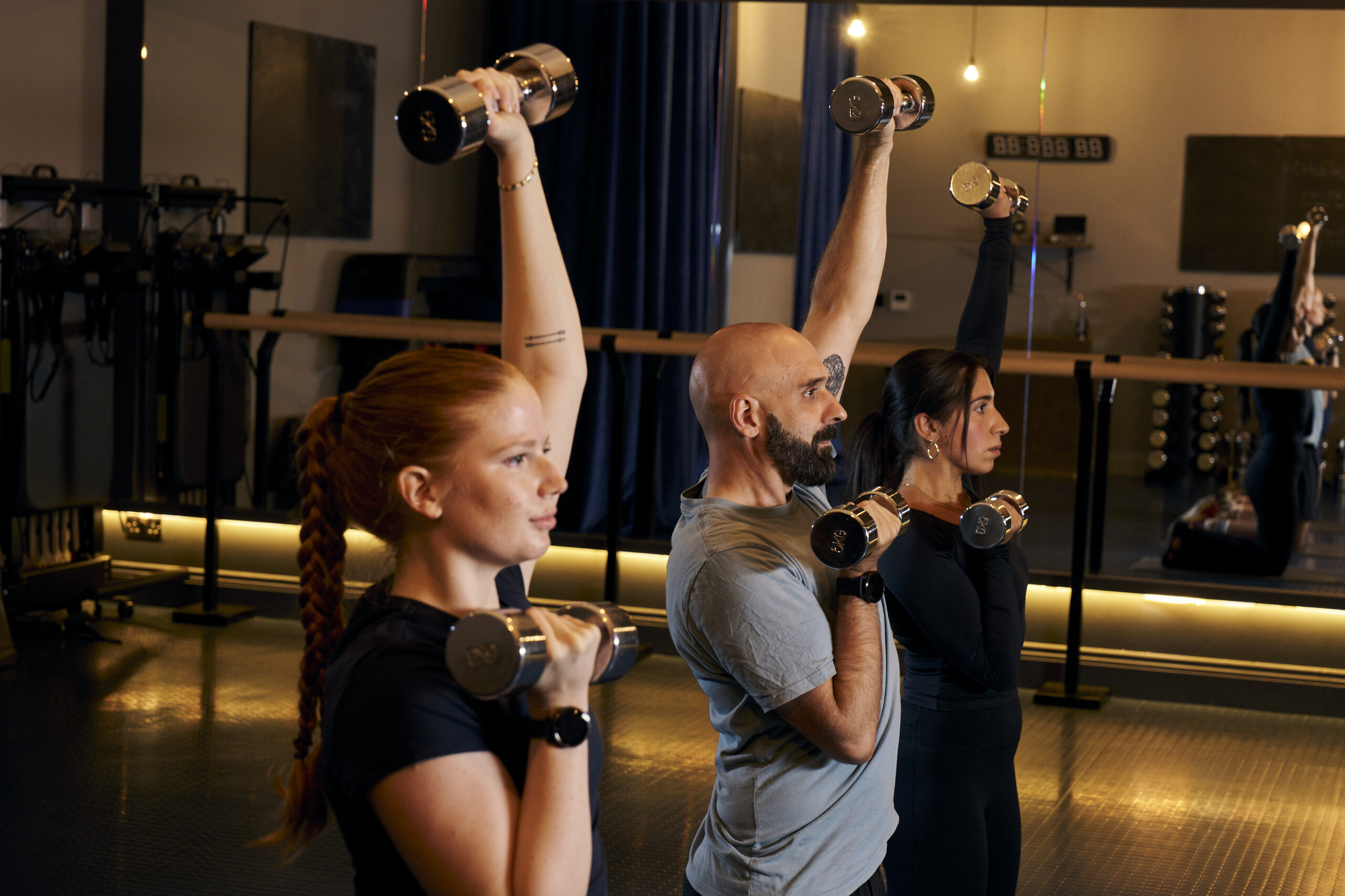
Classes use equipment including dumbbells, kettlebells, barbells and resistance bands, with trainers providing guidance on technique and progression.
If you’re already enjoying Reformer Pilates at Tempo, adding a Strength class at Elephant Park is an easy way to introduce something new to your routine.
The Bottom Line: Do You Need Both?
Reformer Pilates is already a valuable form of resistance training, but adding traditional strength training can offer further benefits, particularly for building strength, supporting bone health and improving overall fitness.
You don’t have to choose between them, and you don’t need to overhaul your routine to benefit from both.
At Tempo 301, we’ve spent more than 16 years helping Londoners develop strength through controlled, purposeful movement. We believe progress comes from finding the right challenge, developing good technique and building on it over time.
Strength training offers another way to do exactly that.
New to Tempo Strength? Try 3 classes for just £36, giving you the chance to explore our different Strength formats and find your favourites.