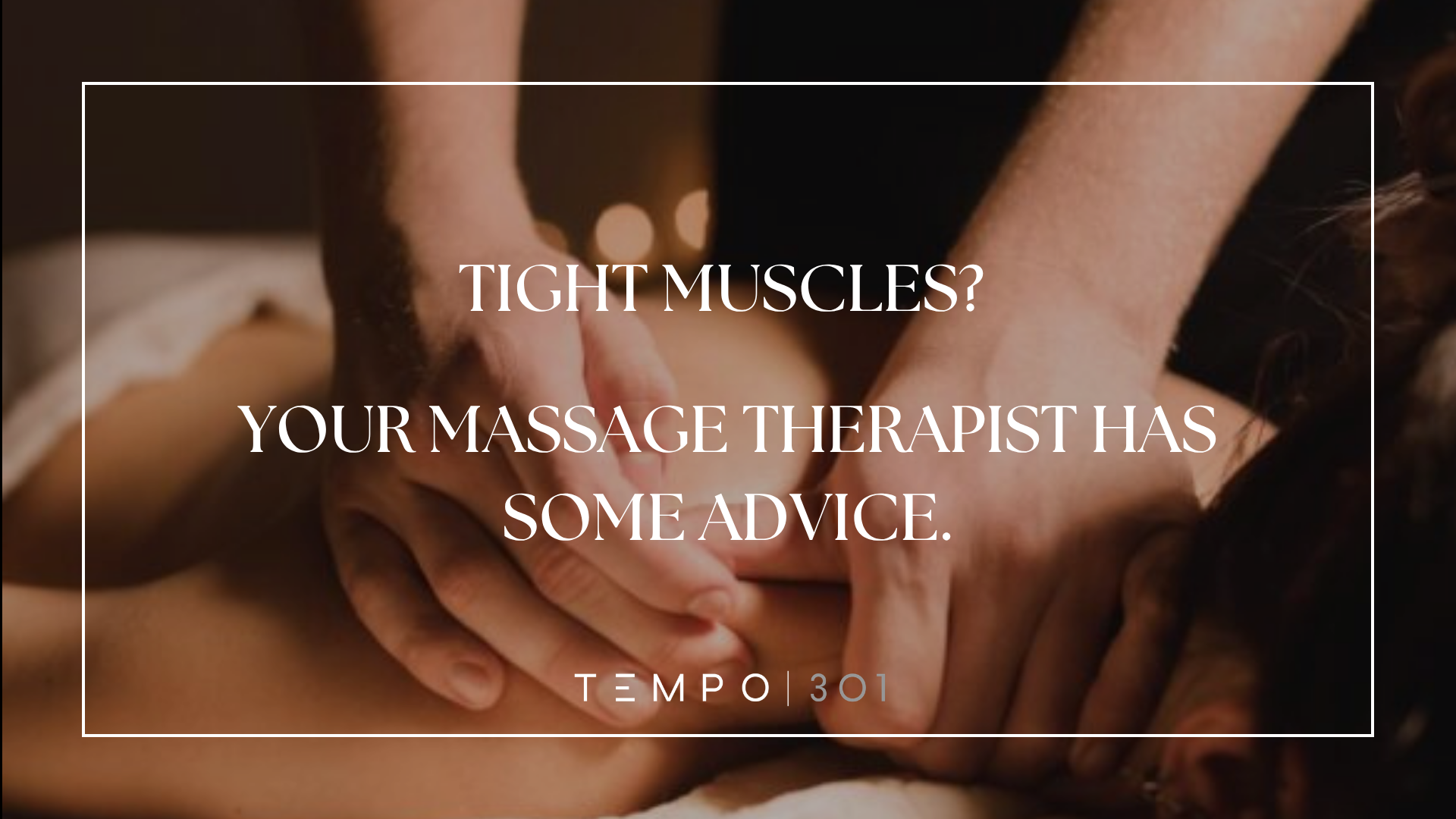
Tight Muscles? Your Massage Therapist Has Some Advice
Tight shoulders, stiff muscles or tension that keeps coming back? Muscle tension is something many of us experience, particularly when we’re spending long hours at a desk, exercising regularly or repeating the same movements throughout the day.
Professional massage can help ease muscle tension, but looking after your body between appointments matters too.
We asked Tatiana, one of our massage therapists at Tempo 301, to share some of her favourite techniques and resources for managing everyday muscle tension.
What causes everyday muscle tension?
Everyday muscle tension can be associated with prolonged sitting, repetitive movements, physical activity and stress.
If you spend much of your working day at a desk, you might notice stiffness around your neck, shoulders or lower back. Regular exercise can also leave muscles feeling sore or fatigued, particularly after an unfamiliar or challenging session.
Stress can contribute to muscle tension too, with some people unconsciously tightening their shoulders or jaw throughout the day.
Common areas where people experience tension include:
- Neck and shoulders: Often associated with prolonged desk work or sustained postures.
- Lower back: Can become uncomfortable after long periods of sitting or repetitive activity.
- Hips and legs: May feel stiff following exercise or extended periods of inactivity.
- Jaw and face: Some people experience tightness associated with stress or teeth clenching.
Understanding when and where tension develops can help you decide which techniques may be useful.
1. Can stretching help relieve muscle tension?
Gentle stretching can help improve flexibility and maintain comfortable movement, particularly when certain muscles feel stiff after prolonged periods in the same position.
You don’t need to spend hours stretching to make mobility part of your day. A few minutes of gentle, controlled movement can be a good starting point, particularly if you spend long periods sitting or working at a desk.
Focus on areas that regularly feel tight, such as your neck, shoulders, hips or lower back. Move slowly, avoid forcing yourself into uncomfortable positions and pay attention to how your body responds.
For guided stretches, Tatiana recommends two YouTube resources:
- Ask Doctor Jo: Physiotherapist-led videos covering stretching, mobility and exercises for different areas of the body.
- Precision Wellbeing Group: Guided stretches and mobility exercises you can incorporate into your routine.
Both offer practical demonstrations you can follow between massage appointments.
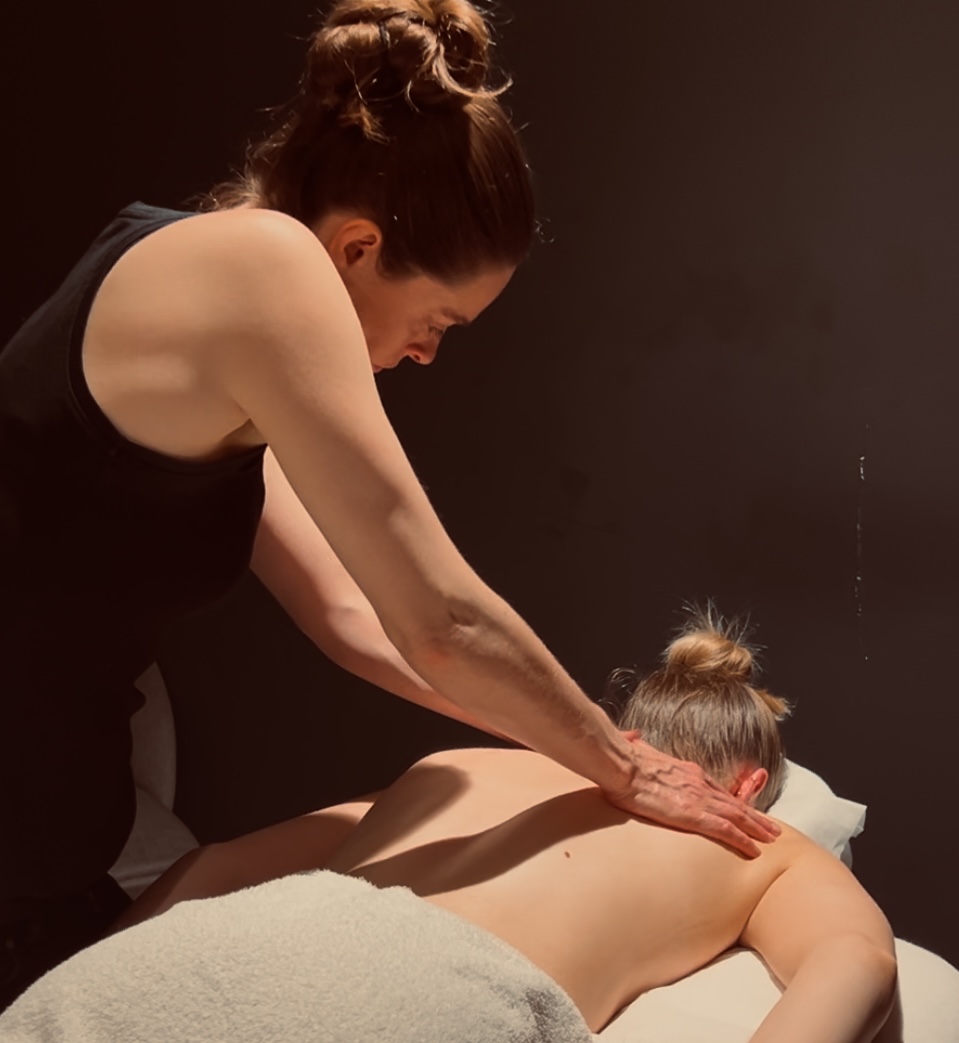
2. Is self-massage effective for tight muscles?
Self-massage can be a simple way to give areas of tension some attention between professional treatments.
Using your hands, apply gentle, comfortable pressure to areas that feel tight, such as your shoulders or legs. You don’t need to recreate the intensity of a professional massage. Start gently and avoid applying strong pressure to painful or injured areas.
Facial massage is another option if you enjoy incorporating massage into your daily routine.
Tatiana recommends VAN DEN BROEK LIFE on YouTube for facial massage and self-massage techniques.
While self-massage can be useful for everyday tension, a professional treatment allows your massage therapist to work on areas that may be difficult to reach yourself and tailor the pressure and techniques to your needs.
3. Are massage tools worth trying?
From massage cups to kinesiology tape, there are plenty of tools designed to support muscle care and movement.
Cupping uses suction against the skin, while kinesiology tape is a flexible adhesive tape commonly used in sports and physiotherapy settings.
Evidence for their effectiveness varies depending on the technique and intended use, and neither is essential for managing everyday muscle tension.
If you’re considering trying these techniques, seek guidance from a qualified professional, particularly if you’re experiencing ongoing discomfort or recovering from an injury.
4. Can massage oils and cooling gels help?
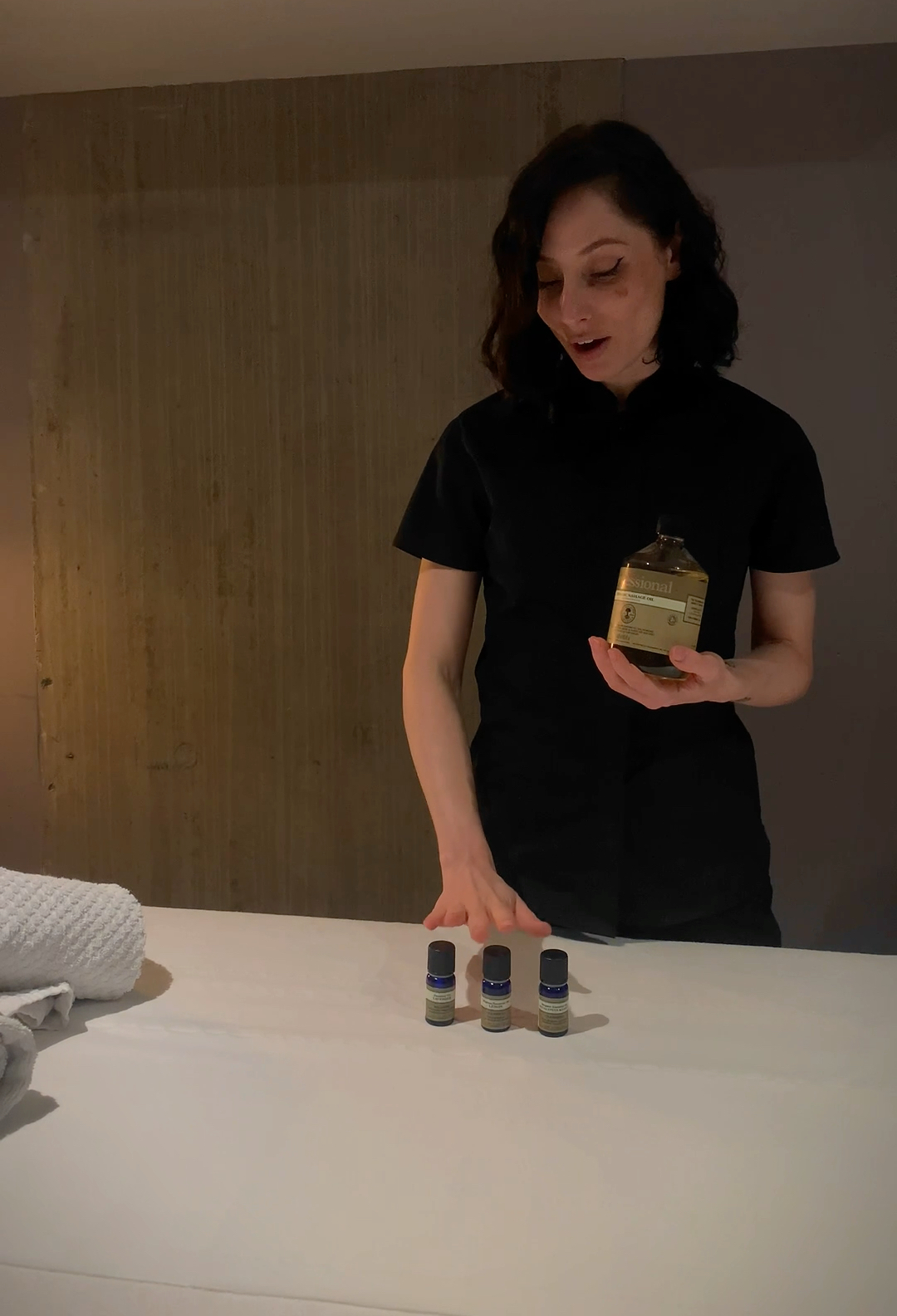
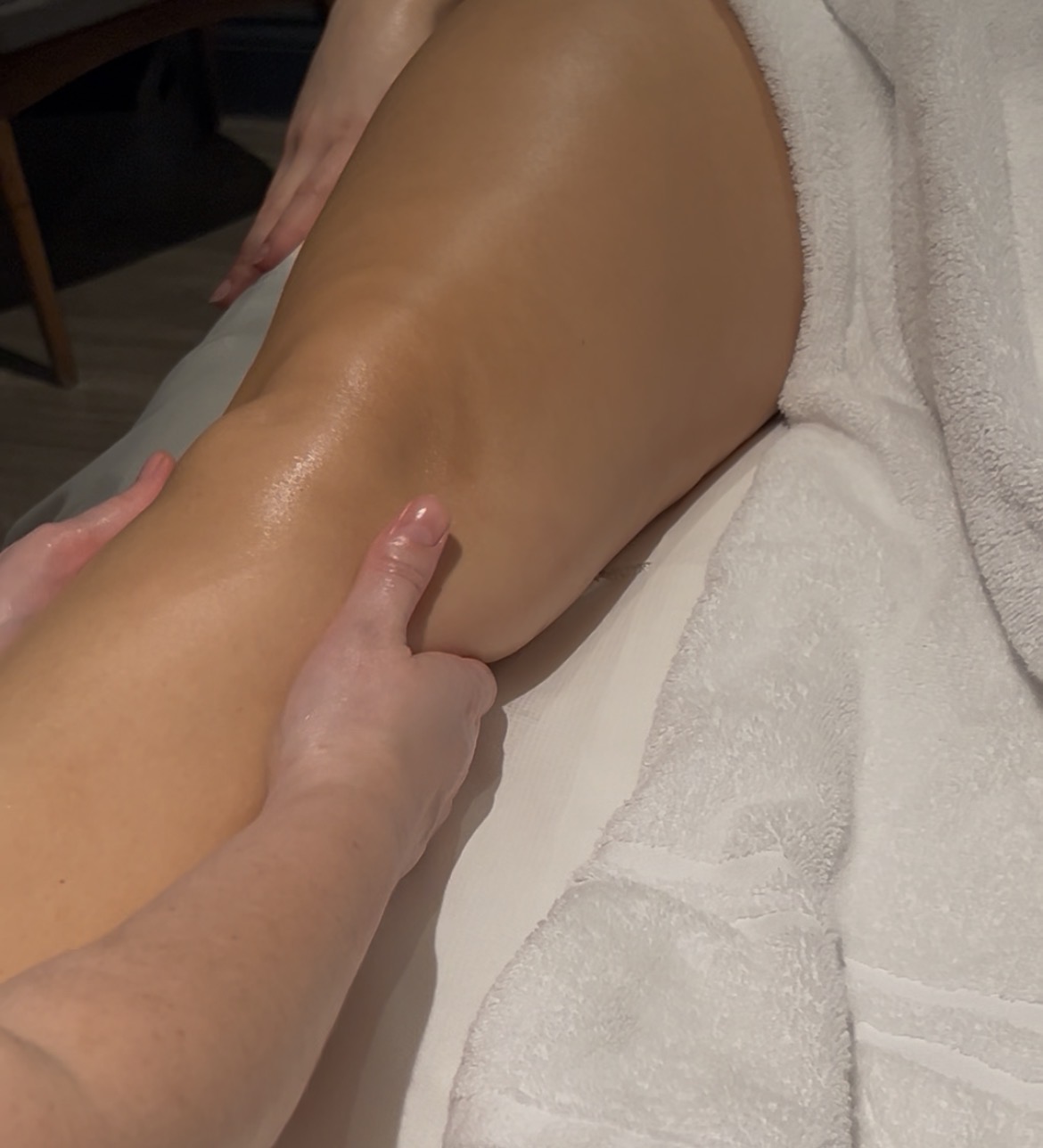
Massage oils and cooling gels can make self-massage more comfortable or provide temporary relief from certain minor aches, but their effects depend on the ingredients and how they’re used.
Cooling gels containing menthol create a cooling sensation that can temporarily relieve some types of minor muscle and joint discomfort.
Massage oils reduce friction between the hands and skin, allowing for smoother, more comfortable movements. Oils such as castor oil are sometimes used for this purpose, although evidence that they directly reduce muscle inflammation is limited.
Essential oils, including ginger oil, are also used in aromatherapy and massage. However, there is limited evidence that applying them to the skin relieves muscle pain.
Always follow product instructions, dilute essential oils appropriately and avoid applying products to broken or irritated skin.
5. Why is professional massage important for muscle tension?
Stretching and self-massage are great ways to manage everyday tension, but professional massage offers benefits that can be difficult to achieve on your own.
When you massage your own muscles, you’re still actively engaging other muscle groups to apply pressure. During a professional treatment, your body can remain at rest, allowing you to relax while your therapist works on areas of tension.
Massage stimulates sensory receptors in the skin and underlying tissues, which can influence how the nervous system processes touch and pain. Research also suggests that massage may help reduce perceived muscle soreness and encourage relaxation.
A trained massage therapist can adjust the pressure and techniques to your individual needs, reaching muscle groups that are difficult to work on yourself.
Regular massage can be a valuable part of your wellbeing routine, particularly if you spend long hours at a desk, exercise frequently or experience recurring muscle tension.
If you’re experiencing persistent or worsening pain, it’s important to seek appropriate medical advice.
“Amazing massage – deeply relaxing and very professional. Left feeling refreshed, lighter, and recharged. Highly recommend!”
What makes massage at Tempo 301 different?
Massage at Tempo 301 combines personalised treatment with an understanding of how movement, exercise and everyday habits can contribute to muscular discomfort.
With over 16 years of experience in Pilates and movement, Tempo 301 has built its approach around control, technique and helping people develop greater body awareness.
At our SE17 studio in Elephant & Castle, massage treatments sit alongside Reformer Pilates, Strength, Mat Pilates and Yoga classes.
This gives students the opportunity to incorporate professional massage into a wider movement and wellbeing routine, all within the same studio.
Our massage therapists tailor treatments to individual needs, taking into account areas of tension, comfort levels and personal preferences.
FREQUENTLY ASKED QUESTIONS
What are the key takeaways for managing muscle tension?
Managing muscle tension is about combining regular movement, practical self-care and professional support when appropriate.
- Keep moving: Gentle stretching and regular movement can help maintain mobility, particularly if you spend long periods sitting.
- Try self-massage: Comfortable, gentle pressure can be useful for managing everyday tension between appointments.
- Choose products carefully: Oils and cooling gels may offer comfort, but they’re not essential and won’t address every cause of muscle pain.
- Make time for professional massage: A trained therapist can tailor treatment to your needs and work on areas that are difficult to reach yourself.
- Pay attention to persistent symptoms: Seek medical advice for pain that is worsening, severe or doesn’t improve.
At Tempo 301, we offer personalised massage treatments at our Elephant Park studio in Elephant & Castle, London.

Expert advice from Tatiana | Massage Therapist at Tempo 301
Tatiana is a highly experienced massage therapist originally from Moldova. She is trained in a wide range of techniques and tailors every treatment to the individual, believing that the body keeps the score and only a thoughtful, personalised approach creates lasting results.
Tatiana believes lasting results come from treating the cause, not just the symptoms. Her approach blends clinical skill with intuition—adapting pressure and technique to meet your body’s needs on the day.
Why Tatiana? With over 10 years of global experience, Tatiana offers expert care across Swedish, Deep Tissue, Sports, Pregnancy, Oncology, Manual and Brazilian lymphatic drainage, Cupping, Indian Head Massage, and Facial Massage. Currently training with JING, she brings empathy, precision, and a personalised touch to every treatment.